知识

How Do Automated Storage Systems Improve Safety and Compliance in Warehouse Operations?

How Do Automated Storage Systems Improve Safety and Compliance in Warehouse Operations?

Apr 15 , 2026

Industrial Automated Storage Systems play a critical role in improving warehouse safety and compliance. These systems reduce manual labor and minimize injuries by automating hazardous tasks. Workers avoid dangerous equipment and repetitive motions, which lowers the risk of accidents. Safety technologies, such as aisle interruption detection, further protect employees. Warehouse managers benefit from these advancements, seeing fewer injuries and better adherence to regulations.

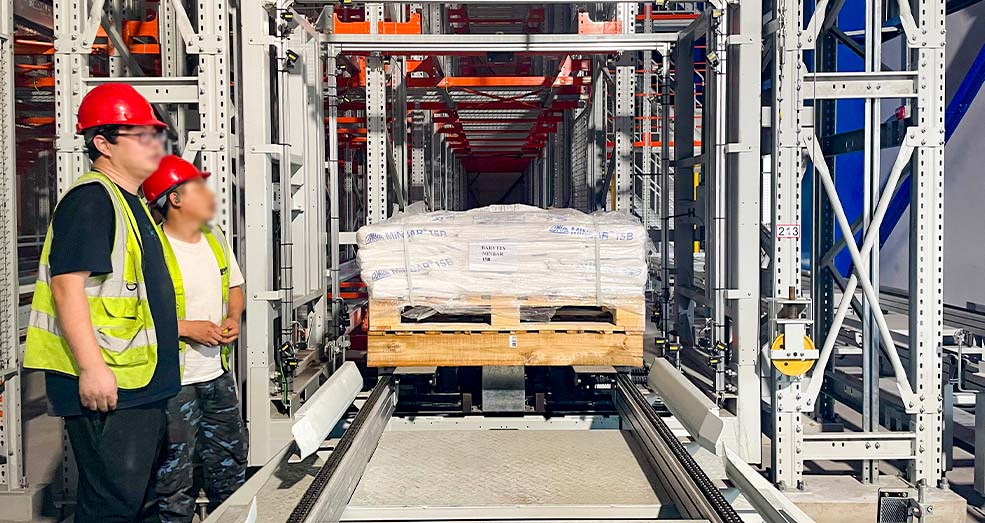
Employees spend less time near dangerous equipment.

Automation handles heavy lifting and repetitive tasks.

Safety features prevent accidents during operations.


Key Takeaways

Automated Storage Systems reduce manual labor, lowering the risk of injuries in warehouses.

Safety features like sensors and interlocking systems enhance employee protection during operations.

Real-time monitoring helps identify hazards quickly, allowing for immediate corrective actions.

Automation streamlines compliance with regulations, making audits and recordkeeping easier.

Workers can focus on safer, higher-value tasks, improving job satisfaction and overall safety.


Automated Storage Systems and Workplace Safety

Reducing Manual Handling Risks

Warehouse employees face many risks from manual handling tasks. These include lifting heavy loads, bending, reaching overhead, and moving goods across long distances. Automated Storage Systems address these hazards by taking over the most strenuous and repetitive jobs. For example, conveyors and pallet shuttles move inventory efficiently, reducing the need for workers to lift, push, or pull heavy items. Automated guided vehicles transport goods, which lowers the risk of physical strain and contact injuries.

Automated systems deliver inventory directly to operators. This approach minimizes unnecessary movements and helps prevent injuries caused by traditional manual tasks.

The following table highlights how different automation solutions address specific manual handling risks:


Automation Solution

Manual Handling Risk Addressed

Conveyors

Eliminates bending and reaching overhead

AS/RS

Reduces need for unnecessary reaching or climbing

Pallet Shuttles

Minimizes lifting, pushing, and pulling heavy loads

AGVs

Reduces physical strain from manual transport


Automated Storage Systems significantly reduce overexertion and contact injuries. Robotic platforms take on labor-intensive jobs, which minimizes the risk of injury during heavy lifting. Vertical storage solutions bring items to waist height, so workers avoid high-stress movements and awkward postures.


Preventing Repetitive Motion Injuries

Repetitive tasks, such as order picking, bending, and reaching, often lead to musculoskeletal disorders in warehouse workers. Warehouse Automation Storage Solutions help prevent these injuries by automating the most repetitive and physically demanding activities. For instance, order picking robots and automated retrieval systems handle tasks that would otherwise require workers to perform the same motion repeatedly.

In some robotic fulfillment centers, severe injuries decreased by 40% after automation. However, non-severe injuries, especially those related to repetitive motion, increased by 77%. This shows that while automation reduces some risks, it can introduce new challenges. Companies have responded by using AI models to plan inventory distribution and ensure ergonomic packing, which further reduces the risk of repetitive motion injuries.

Common repetitive tasks automated to prevent injuries include:

Order picking, which involves repetitive reaching and bending.

Lifting and carrying heavy loads.

Standing and walking on hard surfaces for long periods.

Automated Storage Systems allow workers to avoid awkward postures and reduce the time spent on physically demanding tasks. This approach supports a safer and healthier workplace.


Interlocking and Safety Features

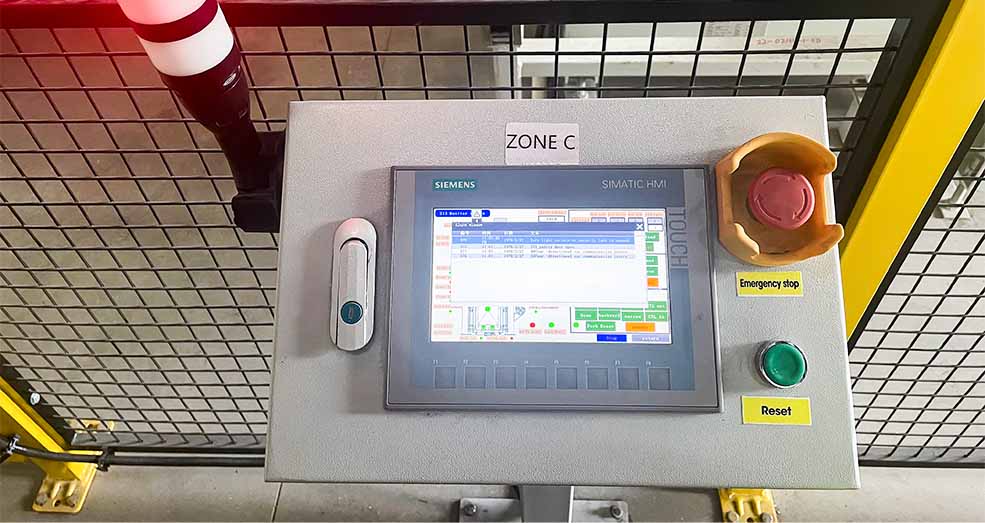
Safety features play a crucial role in protecting personnel in automated warehouses. Interlocking solutions ensure that equipment operates only when it is safe to do so. These systems include guard locking functionality, escape releases, integrated pushbuttons, and personnel keys. Guard locking prevents unauthorized access, while escape releases provide a quick exit in emergencies. Integrated pushbuttons streamline operations, and personnel keys prevent unexpected start-up during maintenance.


Feature

Description

Guard locking functionality

Prevents unauthorized access

Escape release

Provides a quick exit in emergencies

Integrated pushbuttons

Improves user efficiency and streamlines operations

Personnel keys

Prevent unexpected start-up, ensuring safety during operation


Interlocking solutions also streamline warehouse operations. They conform to global safety standards, which ensures compliance across regions. User-friendly designs simplify operator tasks and improve workflow efficiency. Network integration allows for rapid installation and troubleshooting, which minimizes downtime. These features make Automated Storage Systems both safe and efficient for modern warehouse environments.


Real-Time Monitoring and Hazard Detection

Sensors and Data Analytics

Warehouses use a range of sensors to monitor safety in real time. Vision cameras analyze human posture and movement. Pressure mats register sudden impacts. Floor-based sensor arrays detect changes in the environment. Wearable devices track the motion and orientation of employees. These sensors stream data to analytics platforms, which review the frequency, location, and context of safety events. Artificial intelligence and smart analytics help safety teams quickly identify hazards and respond before accidents occur. For example, AI-powered platforms continuously monitor operations and highlight potential risks, allowing managers to adjust workflows and improve warehouse layouts to reduce trip hazards.


Sensor Type

Function Description

Vision Cameras

Analyze human posture and movement

Pressure Mats

Register sudden impacts

Floor-based Sensor Arrays

Detect changes in the environment or impacts

Wearable Devices

Monitor motion and orientation of individuals


Emergency Response Capabilities

Automated Storage Systems enhance emergency response by providing reliable control over warehouse robots and equipment. During emergencies, managers can issue global commands, such as stopping all robots or sending them to a safe location. This rapid response reduces risks and helps protect both personnel and inventory. The ability to control robots quickly is crucial for minimizing damage or injury during fires or other incidents. Continuous monitoring also ensures that any compliance violations or hazardous conditions trigger immediate alerts, so teams can act without delay.

Fire safety improves with coordinated robot commands.

Global stop or home base commands reduce emergency risks.

Quick control of robots limits potential damage.


Enhanced Training and Alerts

Safety training forms the foundation of accident prevention in warehouses. Automation solutions fill gaps in traditional training by providing real-time alerts and reminders. When sensors detect unsafe conditions, the system sends instant notifications to safety managers and responders. These alerts include location data, video frames, and telemetry, which help teams react quickly and analyze root causes. Automated alerts shorten the time between an incident and help arriving, reducing injury severity. Enhanced training, supported by automation, ensures that employees stay aware of hazards and follow best practices.

Safety training is always the first step to reducing warehouse and workspace accidents and injuries. Safety automation solutions can fill in gaps, enhance training, and make safe environments safer.


Compliance and Regulatory Support

Automated Recordkeeping

Automated Storage Systems transform recordkeeping in warehouses. Real-time tracking and visibility allow managers to monitor inventory with precision. Automated audit trails create tamper-resistant records for every transaction. Standardized workflows across multiple locations ensure consistent compliance practices. RFID technology identifies and tracks controlled substances automatically. Each movement receives a time-stamped entry in the digital inventory system, which supports accountability and audit readiness.

Real-time tracking improves inventory accuracy.

Automated audit trails protect data integrity.

Standardized workflows simplify compliance.

RFID integration ensures that every item movement is recorded, making regulatory audits easier and more reliable.


Meeting OSHA and Industry Standards

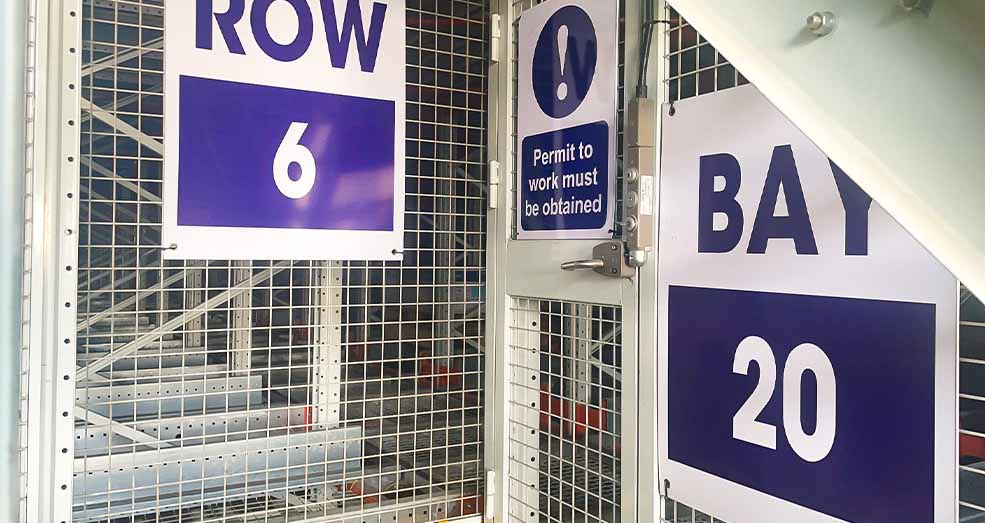
Automated Storage Systems help warehouses meet OSHA and industry standards by introducing physical barriers and safety enclosures. These barriers separate workers from hazardous machinery, supporting OSHA machine guarding requirements. The design of automated systems includes safe zones around equipment, which protect employees from risks in high-traffic areas. Safety enclosures support daily operations and maintenance, ensuring that protocols remain intact without slowing workflow.

Warehouses that adopt robotics and automation face new safety challenges. Human-machine interaction and system failures require effective safety controls. Automated Storage Systems address these risks by establishing clear boundaries and implementing advanced safety features. Managers can rely on these systems to maintain compliance and protect workers.


Streamlining Audits and Inspections

Automation streamlines audits and inspections in warehouse settings. AI-powered robots automate picking, sorting, and packing, which increases accuracy and reduces labor costs. Inventory management systems provide real-time visibility, making processes more efficient. Barcode scanning technology speeds up inspections and improves accuracy. Automated quality alerts catch errors before they become problems.

Scanning over 100 barcodes at once reduces inspection time from over 10 minutes to just 2 minutes.

Automation can cut pick times in half or more, improving order fulfillment speed.


Benefit/Challenge

Description

Real-Time Monitoring and Alerting

Continuous monitoring with instant alerts for deviations, enabling rapid corrective actions.

Automated Data Collection and Storage

Digital sensors collect and transmit data automatically, ensuring consistent and accurate records.

Centralized Data Management

Comprehensive visibility into storage conditions, simplifying audits and compliance reporting.

Human Error Reduction

Minimizes reliance on manual logging, reducing errors and inconsistencies in data collection.

Proactive Compliance Management

Shifts from reactive to proactive monitoring, enhancing overall compliance with regulatory standards.


Automation reduces manual errors and provides centralized data management, making audits faster and more reliable.

Automated Storage Systems support documentation, reporting, and regulatory compliance by shifting warehouses from reactive to proactive monitoring. Managers gain comprehensive visibility into storage conditions, which simplifies compliance reporting and audit preparation.


Practical Benefits and Implementation

Efficiency and Consistency Gains

Automated Storage Systems deliver measurable improvements in warehouse efficiency. Companies have reported faster order processing and reduced manual retrieval times. For example, a leading e-commerce company uses mobile robots to transport inventory, which speeds up order fulfillment. An online grocery retailer introduced an automated grid system called 'The Hive.' This system allows simultaneous order handling and maximizes space utilization. A fast-moving consumer goods company saw a 39% reduction in order fulfillment time after adopting an Automated Storage and Retrieval System. Automated systems operate continuously, increasing output without requiring extra labor.

Mobile robots transport inventory quickly.

Automated grids handle multiple orders at once.

Continuous operation boosts productivity.

Consistency also improves with automation. Automated systems reduce errors and support safer operations by lowering the risk of handling mistakes. Real-time visibility into stock levels helps prevent overstocking and stockouts. Automation minimizes manual intervention, creating a reliable operational environment.


Resource Allocation for Safety

Automation allows warehouses to reallocate resources for safety improvements. Automated Storage Systems take over dangerous tasks, which reduces workplace injuries and lowers costs from compensation claims and lost workdays. Employees can shift to more engaging and higher-value activities, increasing job satisfaction. Automation through AI enables proactive risk mitigation by monitoring operations and identifying hazards. Real-time data tracking supports immediate decision-making, and automated safety alerts highlight critical risks.

Dangerous tasks handled by automation

Lower injury-related costs

Employees reassigned to safer roles


Overcoming Implementation Challenges

Warehouses face several challenges when adopting automated storage systems. Workforce resistance to technological change and integration issues with legacy systems are common. High upfront costs and gaps in technical knowledge can slow implementation. Nearly 60% of warehouse employees worry about job security due to automation. Effective training and communication help address these concerns.

Automation helps track compliance issues and reduces human error in safety-critical tasks. Early alerts allow warehouses to address potential compliance problems before they escalate. Compliance with standards like OSHA and GDPR remains essential to avoid fines and disruptions.


Long-Term Benefit

Traditional Safety Measures

Automated Storage Systems

Reduced manual lifting

Limited

Significant improvement

Fire prevention

Basic

Alarm devices and drainage

Operational efficiency

Moderate

Enhanced


Automated Storage Systems provide long-term benefits by improving safety, efficiency, and compliance in warehouse operations.


Automated Storage and Retrieval Systems (AS/RS) transform warehouse safety and compliance by reducing manual handling, preventing injuries, and enabling real-time hazard detection. The following table highlights key improvements:


Solution

Safety and Compliance Benefit

Automated Storage and Retrieval

Delivers inventory directly, reducing reaching and climbing

Robotic Palletizers

Handles heavy lifting, protecting against back and shoulder strain

Conveyor Systems

Lowers injury rates by reducing manual handling

Automated Forklifts and AGVs

Follows safe paths, minimizing accident risks

Real-Time Monitoring

Detects unsafe conditions and alerts operators


Warehouse managers and safety officers see automation as a way to enhance worker safety and health, though they remain aware of new risks and employee concerns. Automation also identifies missing safety gear, monitors machinery, and alerts supervisors to hazards before incidents occur. By investing in automation, organizations create safer, more compliant workplaces and support long-term operational success.


FAQ

What types of warehouses benefit most from automated storage systems?

Warehouses with high inventory turnover, large product variety, or strict safety requirements see the greatest benefits. Distribution centers, e-commerce facilities, and manufacturing warehouses often use automation to improve safety and efficiency.

How do automated storage systems help reduce workplace injuries?

Automated systems handle heavy lifting and repetitive tasks. Workers spend less time in hazardous areas. This reduces the risk of strains, sprains, and contact injuries.

Can automated storage systems support regulatory compliance?

Yes. Automated systems track inventory, record movements, and monitor safety conditions. These features help warehouses meet OSHA and industry standards.

Are automated storage systems difficult to implement?

Implementation can present challenges, such as workforce training and system integration. Many companies overcome these by providing clear communication, step-by-step training, and technical support.

Do automated storage systems replace warehouse workers?

Automation changes job roles rather than eliminating them. Workers move to safer, higher-value tasks. Automation reduces injury risks and supports a safer work environment.

版权 @ 2026 HUAYIDE 版权所有. 网络支持

网站地图 / Xml / 博客 / 隐私政策

留言

留言
如果您对我们的产品感兴趣并想了解更多详细信息,请在此处留言,我们会尽快回复您。
提交

产品

whatsApp

接触